
In recent years the use of electronic cigarettes has grown and raised concerns about their the safety and health implications. One of the main issues is exposure to secondhand vaping, which can be especially alarming in indoor areas such as homes, schools, and workplaces. Vape detectors are widely used to tackle this issue. They are able to detect and monitor vaping indoors. We’ll look at the various types and features of vape detectors and how they are able to work in different scenarios.
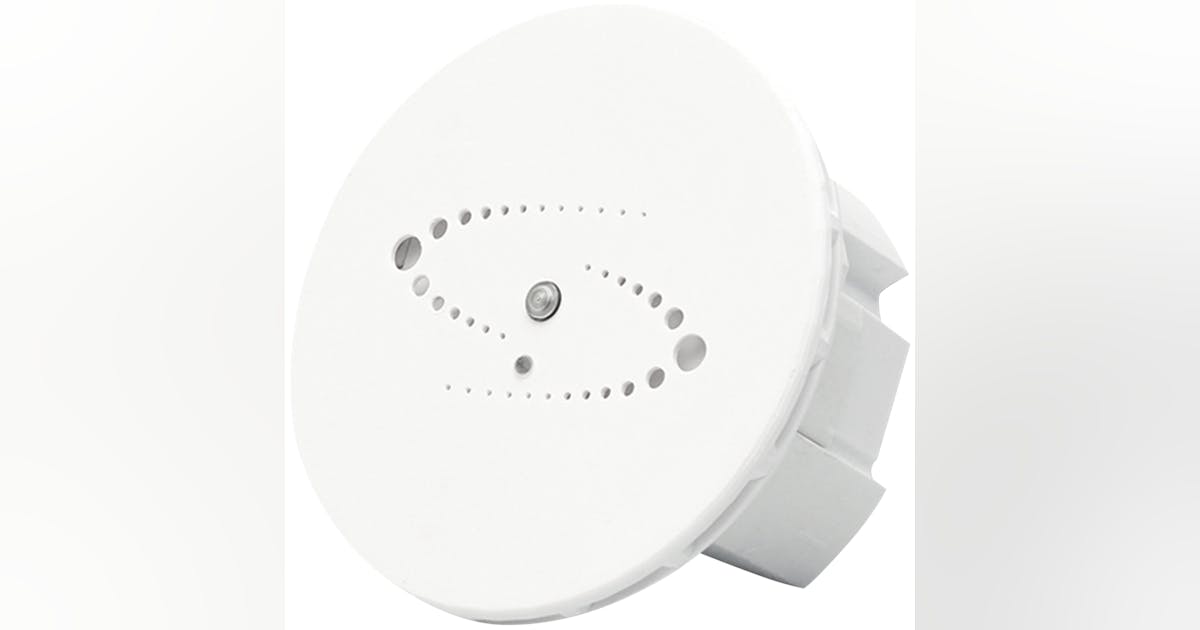
Vape detectors are electronic gadgets that utilize sensors to determine the presence of vape smoke or particles that are in the air. They are used to measure indoor vape emissions. This can be useful for enforcing laws against smoking and the identification of places where smoking vape may occur. Vape detectors can be found in a variety of types that include those designed for use at the home, in schools as well as other public areas.
Vape detector use are becoming increasingly popular among families who want to protect their children from the harmful effects of secondhand smoke. The detectors can be discretely placed in bedrooms or living rooms, where vaping could be a possibility. They can be fitted with a wide range of sensors, including PM2.5 sensor that detects the particles released by vaping devices. Vape detectors that are suitable for use at home have apps for smartphones that notify you if vaping has been identified.
Schools are also a location where vape detectors have been utilized to deal with the problem of indoor vaping. Many schools have enacted a smoking-free policy that prohibits the use of vaping devices. Vape detectors can assist administrators at schools enforce these rules and identify locations where students could be smoking. They are installed in areas where vaping may occur such as hallways restrooms and locker rooms.
They are far more sophisticated than the models specifically designed for use at home, as they cover a larger area and can distinguish between vaping (and other types of smoke) and particles. The sensors combine with laser scattering sensors that can detect vaping. They can provide precise readings. Some models even distinguish between different kinds of vaping devices, such as vaping pens and electronic cigarettes.
Alongside schools and at home, vape detectors are also employed in other public spaces, such as hotels, casinos, and workplaces. They provide a secure healthy and safe environment for employees and guests. They are able to monitor indoor air and detect vaping. The detectors can be set in lobbies, or conference rooms. They also provide information on indoor air quality.
One of the main characteristics of vape detectors is the ability to utilize laser scattering technology in order to detect vaping particles. The technology is extremely sensitive and is able to detect small amounts of smoke within the air. It works by shining laser light through the air to find any particles. These devices allow vape detectors to offer highly accurate measurements of the quality of air in the indoor environment and identify areas where vaping is taking place.
Another significant feature of vape detectors for homes is their ability to connect to a smartphone application that provides real-time notifications and alerts when vaping is discovered. This is especially beneficial for parents who wish to monitor their children’s smoking habits, as well as for administrators who require to be aware of when students are vaping. Some vape detectors come with cloud-based storage of data, that is helpful for analyzing trends and identifying areas where it is necessary to pay attention.
Vape detectors offer a quick method to identify indoor vaping at home, in schools or other public areas. These devices utilize sensors and technologies to accurately assess the quality of indoor air. They can also be connected to smartphones apps to receive notifications in real-time and alerts.
Vape detectors guard people who are impacted by indoor air pollution. Through removing distractions they allow us to concentrate on ensuring highest quality of air possible. Although the technology is still fairly new, the effects are yet to be fully investigated however, there is some evidence that these detectors can improve both indoor air quality and overall health. Vape detectors’ technology has proven to be extremely efficient in the capture of harmful elements such as carbon monoxide, ultrafine particle material (PM2.5), and volatile organic compounds. Vape detectors can identify products smoking with greater accuracy and ease than before. Vape detectors have a positive impact on both health and security. As this revolutionary technology continues to increase in popularity, it might in the future help us safeguard our families from the risk associated with secondhand smoking or vaping in our houses.