
A large contract is signed by an industrial manufacturer. Its monthly production needs increase, but the factory isn’t gaining floor space, experienced employees or hours of work per daytime. It is possible to add another shift temporarily, but it may be a source of new labor, training, supervision, and quality control requirements.
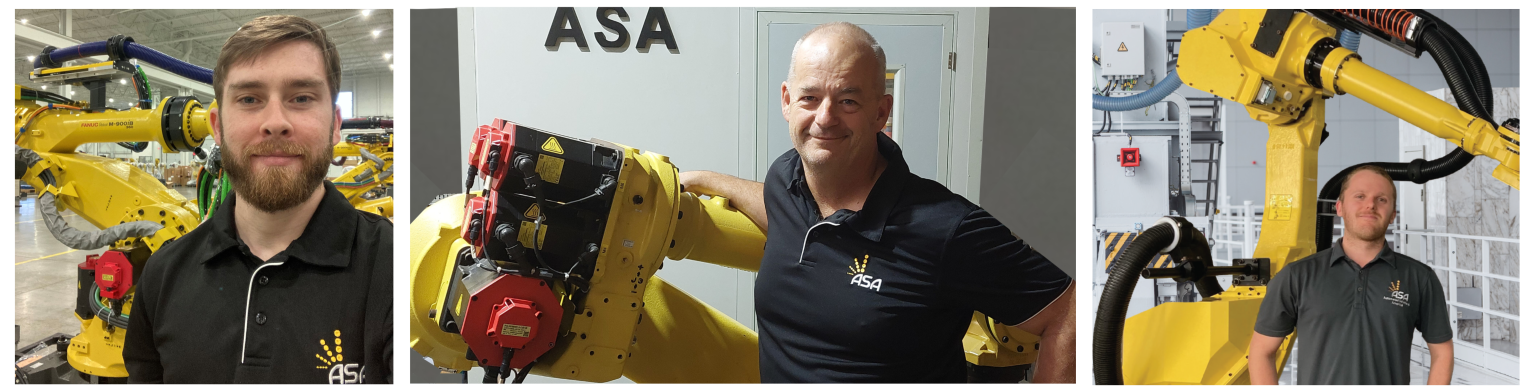
Image credit: automatedsolutions.com.au
Situations like this reveal an important purpose of robotic automation. Robotics goes beyond replacing people with machines. The right application can transform the way manufacturers utilize their capacity to produce.
Check out the minutes that vanish between the products
Manufacturing inefficiency doesn’t need to be a major issue. A worker could spend 15 seconds assembling the component after which 10 seconds are spent applying materials, and then a few seconds to move it to the next step. On one piece it’s not much of a difference. When repeated thousands of times these seconds can turn into substantial production time.
It’s the same for waste materials. In the event of spreading a small amount extra coating or dispensing materials over a long production line can lead to an enormous expense.
The businesses that are looking into robotic automation Australia can benefit from analyzing these small repeated losses prior to decide which equipment to buy. The needs analysis conducted by ASA is designed to pinpoint bottlenecks, as well the quality of work, waste and other limitations to process that could affect an automation project.
A Robot has to fit the Process Itself
Making a choice on a robot is only one decision in engineering. It is possible to include tooling, guarding and controls sensors conveyors, fixtures, electrical integration, and communication with the existing production equipment. Engineers must take into consideration the reach of the robot and its payload as well as how it interact with its surroundings and move around.
ASA offers conceptual development, design of systems and offline programming as part of its approach to robotic automation. Digital simulation allows engineers to explore configurations and estimate durations of the cycle before the system is operating in the factory of the customer’s. It’s particularly useful when there’s a finite amount of space, or when the new robotics needs to integrate with a production line.
Dispensing and Paint Shows Why Replicability is Important
Controlled movement is especially important in some manufacturing processes. Imagine coating hundreds of components. The goal isn’t just finishing each part quickly. From the moment of starting production to the end the speed, movement and distance must be controlled.
Our specialists have experience painting and dispensing across different industries like aerospace and automotive. In these settings industrial robotic automation may offer repeatable programming while also reducing employee exposure to physically demanding or hazardous processes.
A better control of waste material can also increase productivity by cutting down on the amount of waste material consumed.
The installation of the system isn’t enough. You will require people to keep it running.
Automating doesn’t completely eliminate the requirement for manufacturing knowledge. Automation changes the skills needed for maintaining and operating the process.
Employees should be able to detect abnormal behavior and identify issues, and perform the appropriate maintenance. Production requirements can also alter, which means that procedures and programs might require modifications later.
ASA provides training on site in safe operating, programming, and troubleshooting. It also offers maintenance for electrical and mechanical components. The company offers servicing and assistance for assessing equipment condition, and addressing wear and tear throughout the life of the system.
Capacity is the capacity to work more quickly
A rise in capacity for Australian manufacturers doesn’t necessarily mean buying a bigger building or adding more workers to repeat processes. One of the best questions to ask is whether your current production process can still be improved.
ASA is designing and the integration of automation solutions since 2002. It provides support to manufacturers in Australia as well as international projects. Its method combines the analysis of requirements and engineering, simulations, FANUC robotic integration and training as well as maintenance.
Automating for automation’s sake isn’t the main goal. A system worth the gold it’s worth ought to offer tangible benefits to the manufacturer, like more reliable production, better quality, safer processes and less waste.