
Are you conscious of GDPR compliance regulations? It’s okay if you’re not because GDPR is an intricate and continually changing piece legislation. It’s all about data security that gives customers control over their personal information as well as ensuring safe storage of any digital data. You may be just starting with GDPR or are looking to find out more about what it requires from organizations around the world.
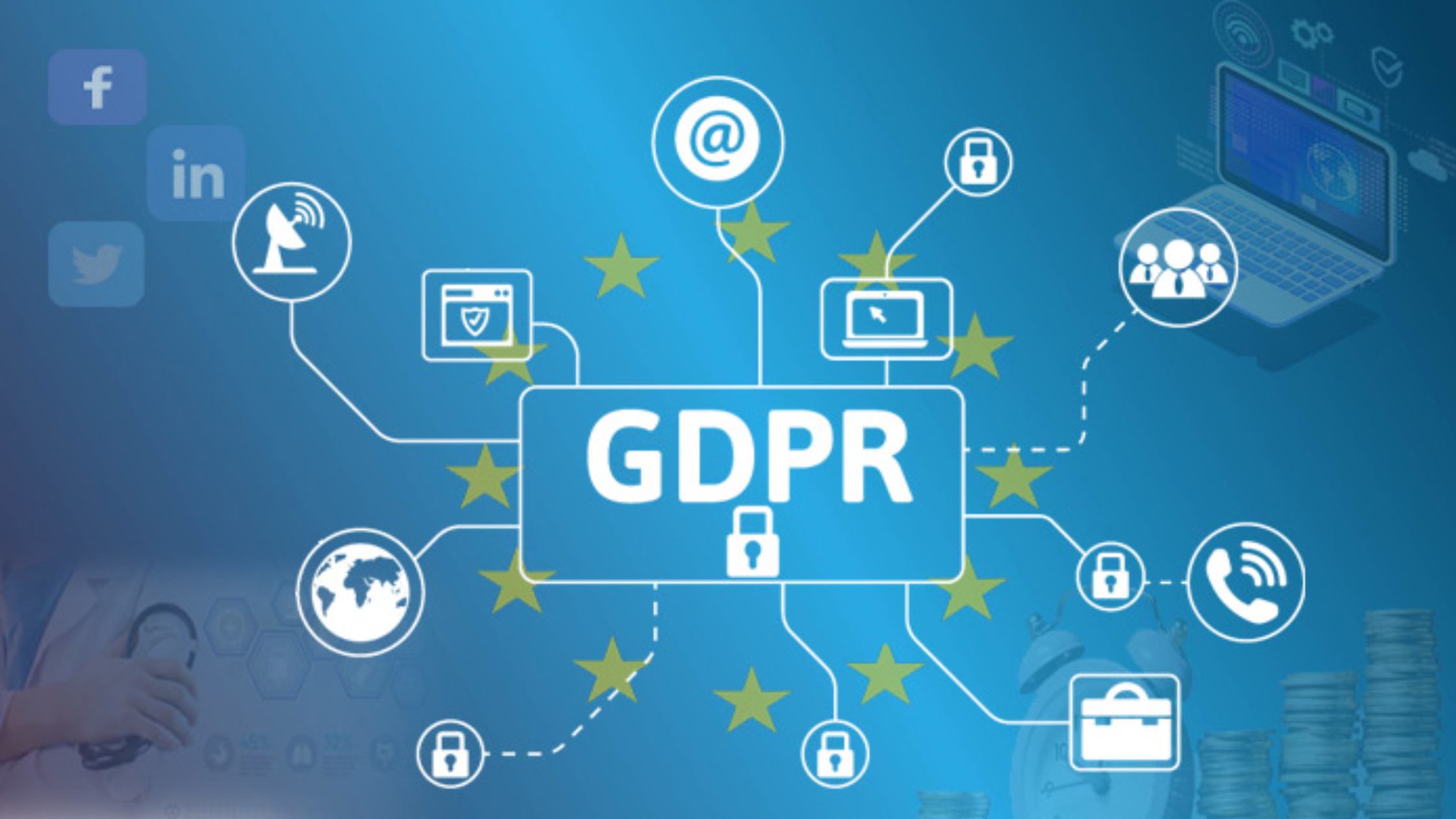
HIPAA (Health Insurance Portability and Accountability Act) and GDPR (Global Data Protection Regulations) are two abbreviations that healthcare providers and businesses handling personal information should be familiar with. HIPAA or the Health Insurance Portability and Accountability Act in the US regulates the disclosure and use patients’ personal data. GDPR (General Data Protection Regulation) is a law of the European Union (EU) that covers all businesses that handle personal information that are the property of EU residents. While they may have distinct purposes, all regulations share the same aim: safeguard personal data’s privacy and security.
Why HIPAA and GDPR compliance are important
There are many reasons why compliance with HIPAA/GDPR is essential. First, it protects private information from unauthorized access and disclosure, as well as misuse and alteration. Healthcare providers, for instance, deal with sensitive medical information which could result in fraud or identity theft. Businesses that handle personal information, such as names, addresses and email addresses, are subject to GDPR. This applies whether the data is used for identity theft, fraud, or phishing.
The regulations are legally and legally binding. HIPAA regulations cover covered entities like healthcare providers, health insurance plans, or healthcare clearinghouses. Failure to comply with HIPAA regulations can result in criminal and civil penalties, and damages to a healthcare company’s reputation. The GDPR is also applicable to all businesses that handle personal information of EU residents, regardless of place of operation. Infractions could lead to severe fines , or even legal actions.
These laws are crucial in helping build trust between customers and patients. Customers and patients expect that their personal data will be treated with care and with respect. In compliance with HIPAA regulations as well as GDPR regulations could show the company’s commitment to data privacy and security and is committed protecting personal data.
HIPAA and GDPR Compliance Essential Requirements
HIPAA Regulations and GDPR have several requirements that businesses should be aware of. HIPAA protects those covered by the law who must safeguard electronic protected health data (ePHI) from unauthorized access, use, disclosure, or destruction. This means that covered organizations must establish administrative, technical and physical safeguards to protect against unauthorized access, use, disclosure, or misuse of the ePHI. In the event of security breaches or incidents, all covered entities should have policies and procedures in the place.
Businesses must seek explicit consent from people to collect and process their personal data in accordance with GDPR. Consent must be freely granted in a specific, clear, and unambiguous. The GDPR also demands that businesses offer individuals the right to access, rectify, and delete their personal data. Businesses must also implement appropriate organizational and technical measures to ensure the security and privacy of personal data.
HIPAA and GDPR Compliance Best Practices
Businesses must follow the best practices to safeguard personal information and adhere to HIPAA regulations. Some best practices include:
Risk assessments should be conducted regularly: Businesses should be able to regularly assess the risk to the integrity, confidentiality, and availability of personal data. This allows them to spot potential vulnerabilities and ensure that the appropriate security measures are in the place.
Implementing access control Limiting access to authorized personnel be able to access personal information. This can include implementing strong passwords, multi-factor authentication and access controls that are based on the principle of the principle of least privilege.
Employees who train: Employees must receive regular education regarding data privacy and security. This can help prevent accidental or deliberate data breaches.
Plan for incident response Businesses should develop plans to handle potential security breaches or incidents. This includes identifying a reaction group, establishing protocols for communication and conducting regular exercises.
For businesses that process personal data, HIPAA Compliance and GDPR Compliance is essential. These regulations are designed to protect sensitive information from unauthorised access, disclosure or misuse. They also display a commitment towards data security and privacy. Businesses can implement best practiceslike conducting risk assessments, using access control, training employees, and establishing incident response plans to ensure compliance with these regulations.
For more information, click GDPR compliance