
During normal weather conditions, a drainage system might appear to be in good working order. But a stormy day could reveal any flaws in the infrastructure of the property. Parking areas get flooded, detention lakes fill rapidly access roads become dangerous and low-lying areas begin collecting water that has no place to go. In many of these situations, the problem is not just rain. The location may not have the proper system to move stormwater, if gravity isn’t sufficient.
A stormwater lift station becomes essential. The systems are intended for collecting and pumping stormwater away areas where runoff builds up naturally as well as protecting buildings, roads and outdoor spaces. Lift stations are essential for any type of project whether it’s municipal, commercial, residential or industrial. It helps keep the site functioning in the aftermath of a storm.
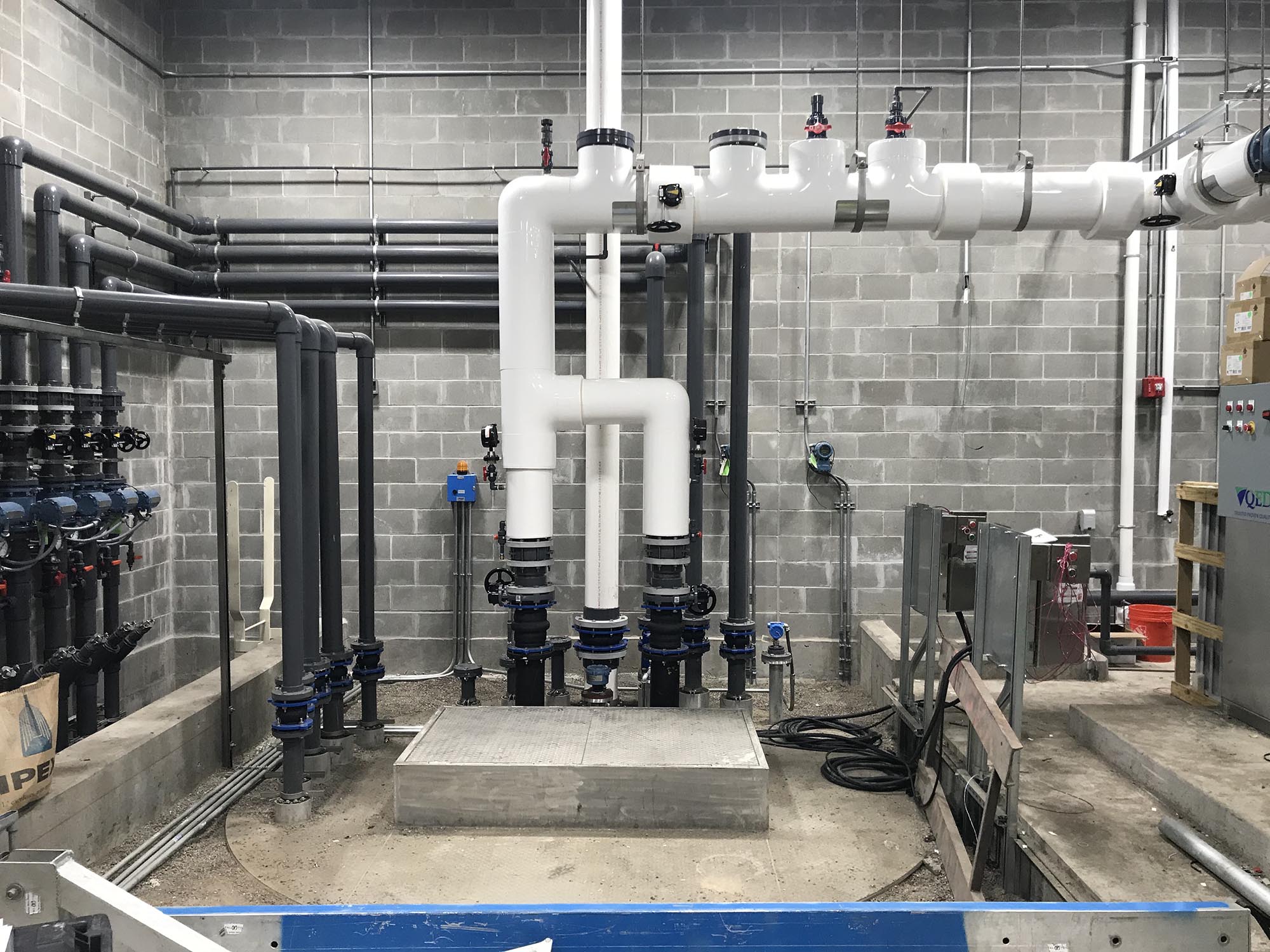
Stormwater management should be designed according to the location.
Each property has its own way of handling runoff. Retail parks with big parking lots behave differently than residential subdivisions. They do not have the same needs as industrial drainage sites or municipal projects. The rates of flow, elevations of the site as well as detention requirements and discharge conditions all affect how a stormwater management program is designed.
Romtec Utilities does not approach stormwater pumping as a typical package. Each system is designed for the particular site’s pumping needs, whether that means controlling flooding, emptying the pond of a detention system, directing the runoff of a development, or supporting a larger municipal drainage system. The right solution depends upon the quantity of water that needs to be carried, how fast it must move and how far it has to travel.
Stormwater runoff pumps go further than just an individual pump within a vault
A efficient stormwater runoff pumping station requires more than simply high-powered machines. It’s a system that seamlessly integrates structural, mechanical and electrical components with control to efficiently and consistently manage large stormwater volumes. To ensure that the station will perform optimally throughout its lifetime important factors like precise pump sizing (including the design of wet wells) and advanced controls, robust pipes, durable power systems and real-time monitor need to be working together.
This level of total system integration is exactly why the most effective stromwater system design firms are distinguished from other designers. A design that is exceptional will not only solve drainage issues in the short term, it also requires a longer-term proactive approach. High-end engineering takes into consideration the ease of maintenance in the long term, changing future site demands and the highest efficiency of operation. It is vital to ensure that the pumping system is able to perform under real-world conditions of severe storms instead of relying on idealized assumptions.
The process of planning is vital, regardless of whether you’re dealing with torrential floods, or designing municipal systems that are in high pressure, such as booster pump stations that provide water that is clean, and where failure is not an option. Romtec Utilities designs its stormwater systems with these realities. They have a wide range of pumps built for various uses. The pumps are accompanied by documentation, instruction and startup help to ensure that the owner can effectively manage the system.
Better planning creates better flood protection
A properly designed stormwater pump station will reduce flood risk, improve site access, and also protect the properties around it from damage caused by water. The pump station also can boost the strength of a building by ensuring that runoff during the heavy rain is dealt with efficiently and quickly.
Stormwater infrastructure is easy to overlook until it is damaged. When runoff must be actively controlled, a reliable stormwater lift station is a crucial investment for any developer, property owner, or municipality. With the right design and the right support, a strong stormwater management system helps keep a site safer, more functional, and better prepared for the realities of changing weather.